Taliban Development Budget: Limited Funding, Centralised Spending

Taliban Development Budget: Limited Funding, Centralised Spending


Financial management and the budgeting system form the backbone of governance and the foundation of any country’s power structure. Governments, like other economic actors, face limited financial resources and are therefore compelled to make choices among competing challenges and priorities. For this reason, a close examination of a government’s budget structure provides a relatively clear picture of the prevailing political economy, decision-making mechanisms and the true pattern of prioritisation.
Within this framework, the development budget, as the most important financial policy instrument, plays a key role in addressing structural economic challenges, stimulating sustainable growth and reducing development gaps. The composition, distribution and direction of this budget reveal the extent of a government’s commitment to the country’s economic future, public welfare and balanced development.
However, since the Taliban’s return to power, financial transparency has been significantly weakened. Information related to budget details, one of the core indicators of accountability and good governance, is no longer published regularly or accessibly. Moreover, by endorsing the Financial Accounting Law, the Taliban leader has effectively consolidated absolute authority over the budget-making process, spending decisions and control of financial resources, eliminating all forms of institutional and public oversight.
This report, based on data published by the Taliban’s Ministry of Finance and the National Statistics and Information Authority, examines and evaluates the structure of the Taliban’s development budget for the Afghan fiscal year 1403 (2024/25). Statistical data for this fiscal year has only recently been released. The findings show that the Taliban have effectively removed development projects from their financial policy priorities.
According to World Bank estimates, the Taliban’s annual revenue is between $2.5 billion and $3 billion. Of this amount, 88 percent, or approximately $2.5 billion, has been spent on the ordinary budget, while only about 12 percent, or $365 million (equivalent to 24 billion afghanis), has been allocated to the development budget. This allocation pattern indicates that, beyond the widespread misuse of public financial resources, the Taliban lack a long-term, development-oriented vision for improving the country’s economic conditions.
Furthermore, the findings reveal that projects worth nearly 60 billion afghanis (approximately $910 million) announced by the Taliban have, in practice, no specific budget allocations and are largely symbolic and imaginary, projects with neither clear financial backing nor a credible implementation outlook. This situation exposes a deep gap between the Taliban’s development rhetoric and the reality of their financial policymaking.




Diverting the Development Budget

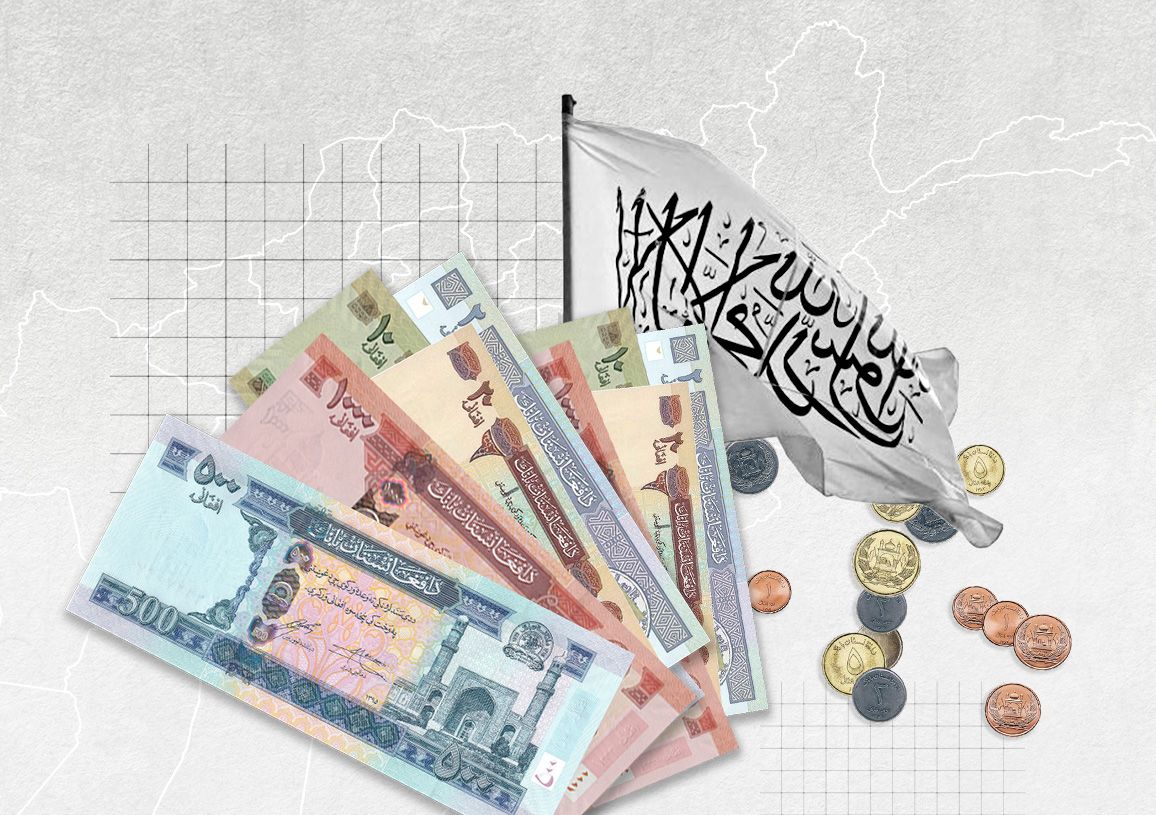
Since the Taliban seized power, the development budget has fallen from 131 billion afghanis to 24 billion afghanis; an unprecedented decline that indicates economic development and improving citizens’ living conditions have lost their place among the Taliban’s core priorities.
This drastic reduction has occurred while around 23 million people face poverty, hunger and livelihood insecurity, and Afghanistan simultaneously suffers from recurring environmental crises that have inflicted billions of dollars in damage on the national economy and people’s lives. Despite these conditions, key economic and social sectors have effectively been removed from the Taliban administration’s priority list.
At the same time, budget documents show that even the remaining limited development funds have been allocated in a non-standard and fragmented manner, detached from the real needs and priorities of vital sectors. This approach has not only reduced the effectiveness of financial policymaking but has also severely weakened the development budget’s capacity to respond meaningfully to economic and social crises.

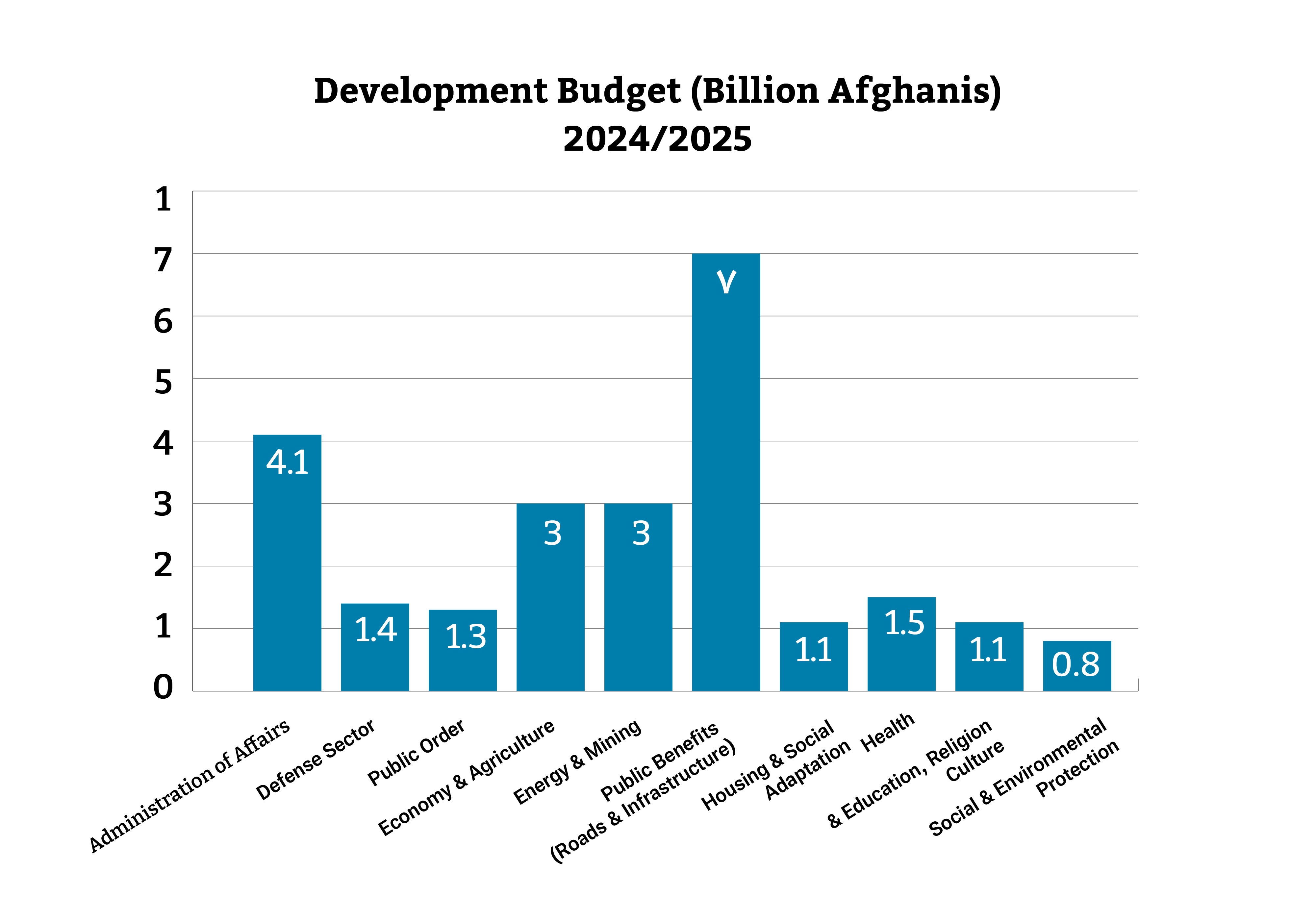
This analysis illustrates the Taliban’s prioritisation pattern in allocating the development budget across different sectors. Several key points emerge.
First, within the governance and public services sector, the Taliban’s General Directorate of Administrative Affairs consumed 4.1 billion afghanis, making it the second-largest recipient of the development budget. This is despite the fact that Administrative Affairs is not recognised as a development institution within Afghanistan’s administrative structure. Allocating such large sums from the development budget violates established legal and administrative norms. The manner and purpose of this spending remain unclear. Notably, this agency’s development budget exceeds the combined budgets of critical sectors such as health, education, housing and social protection, at a time when the national health system is on the brink of collapse and millions lack access to water, housing and basic services.
Second, Taliban security institutions have received a significant share of the development budget, even though more than 50 percent of the total ordinary budget is already allocated to them. Of the 2.8 billion afghanis spent on security institutions, the Directorate for the Protection of the Taliban Prime Minister used 67 million afghanis, the Intelligence Directorate 198 million afghanis, and the Directorate for Monitoring and Enforcement of Mullah Hibatullah’s Decrees nearly 17 million afghanis from the development budget.
Third, despite severe environmental crises and increasingly destructive natural disasters, funding allocated to these areas is negligible. The Ministry of Disaster Management received 49 million afghanis, while the National Environmental Protection Agency received only 389,000 afghanis from the development budget. an amount even smaller than that allocated to some ceremonial institutions.
The Taliban’s Propaganda Machinery Budget
Alongside military and administrative structures, the Taliban have placed particular emphasis on information warfare and strengthening their propaganda apparatus. The development budget share for Taliban radio and television has increased nearly fourteenfold since 1401. According to available statistics, the development budget for Taliban Radio and Television reached 91 million afghanis in 1403, compared with just 7 million afghanis in 1401. This sharp increase indicates that, in the absence of free media, the Taliban are deliberately investing in official media infrastructure to consolidate their narrative within Afghanistan’s public sphere.
Available evidence suggests that despite these expenditures, Taliban state media have failed to gain broad public trust or meaningful engagement.
Intensifying Structural Regional Inequality and Widespread Deprivation
Alongside military and administrative structures, the Taliban have placed particular emphasis on information warfare and strengthening their propaganda apparatus. The development budget share for Taliban radio and television has increased nearly fourteenfold since 1401. According to available statistics, the development budget for Taliban Radio and Television reached 91 million afghanis in 1403, compared with just 7 million afghanis in 1401. This sharp increase indicates that, in the absence of free media, the Taliban are deliberately investing in official media infrastructure to consolidate their narrative within Afghanistan’s public sphere.

Available evidence suggests that despite these expenditures, Taliban state media have failed to gain broad public trust or meaningful engagement.
Intensifying Structural Regional Inequality and Widespread Deprivation
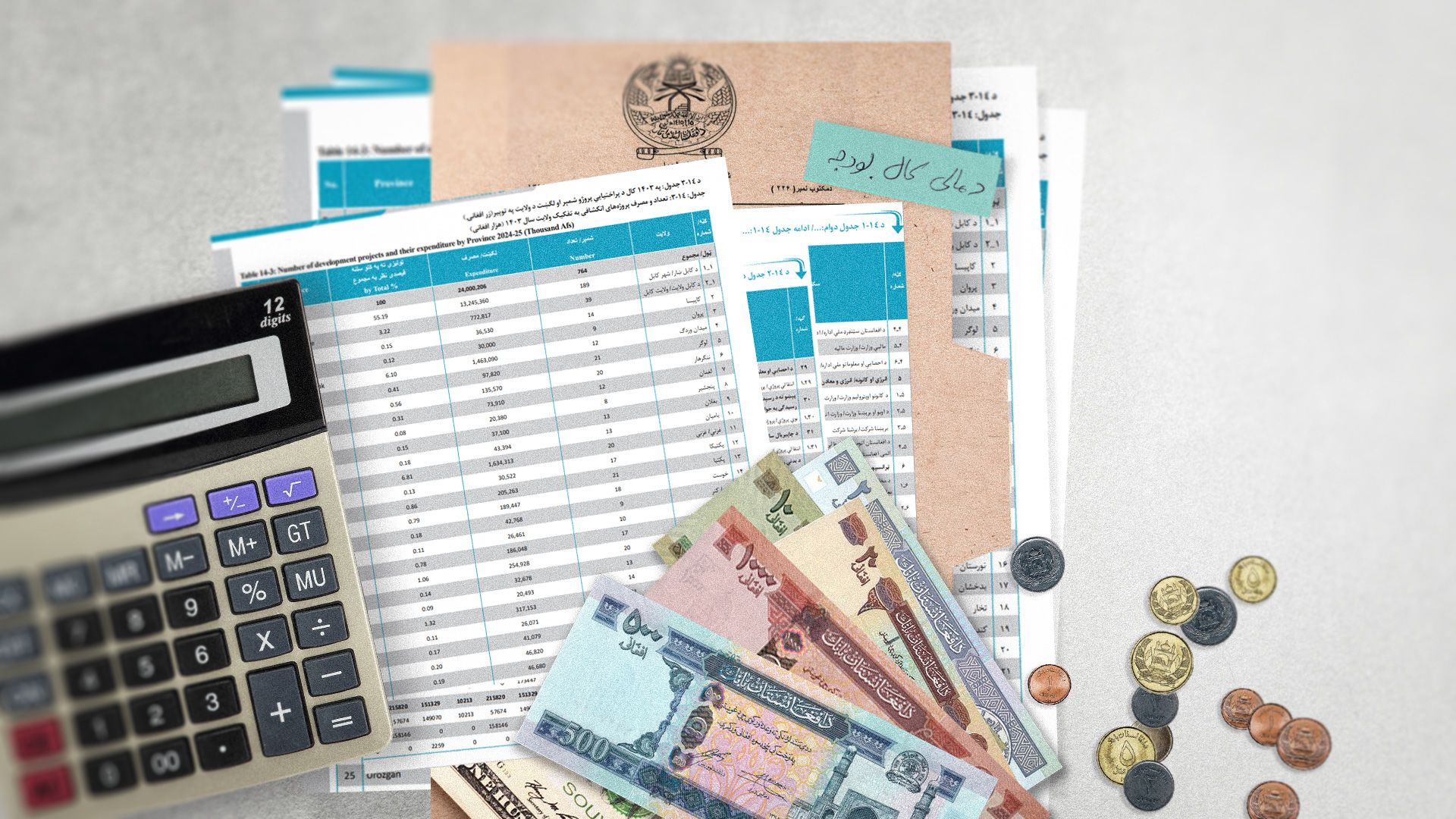
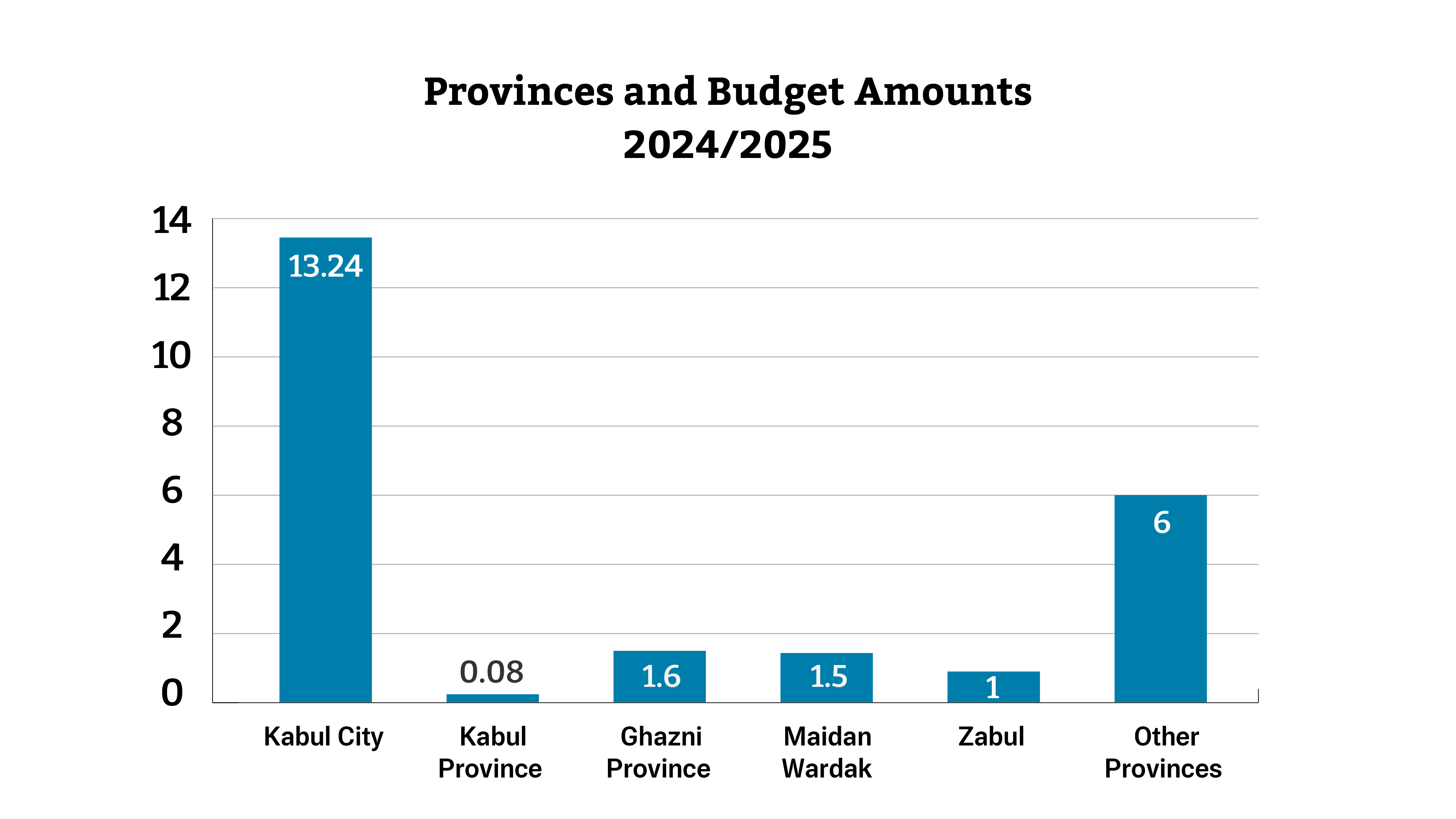
One of the most controversial aspects of the Taliban’s development budget structure is provincial allocation. Official data show that 55 percent of the total development budget was spent in Kabul city, and when Kabul province is included, the figure rises to 58 percent. In fiscal year 1403 alone, the Taliban spent 13.24 billion afghanis in Kabul city and 773 million afghanis across Kabul province.
Several key points emerge from this pattern.
First, the heavy concentration of development spending in Kabul appears to be a deliberate effort to create a positive image of the Taliban’s development performance. By reshaping the capital’s appearance, the group seeks to convey to both the public and the international community that it possesses the capacity and will for effective economic management. Widespread social media promotion and visitor narratives from Kabul largely reflect the concentration of nearly 60 percent of development spending in the capital. However, these projects cannot conceal the widespread poverty, repression, deprivation and structural crises dominating Afghan citizens’ lives.
Second, this unequal allocation intensifies structural inequality between provinces. While balanced resource distribution is a fundamental principle of development, the Taliban have effectively excluded provinces and remote regions from development policy priorities.
Third, the focus on Kabul exacerbates another structural crisis: large-scale internal migration towards the capital. This has led to the collapse of urban service infrastructure and the expansion of informal settlements. Access to drinking water, housing, transport, education, healthcare and even clean air in Kabul has reached critical levels, gradually transforming the city into one of the world’s largest slum-concentration centres.
Fourth, after Kabul, the largest development allocations were directed to Ghazni, Zabul and Maidan Wardak provinces. Although transparent details about these projects are unavailable, available evidence suggests that some allocations may be linked to the construction of settlements for Tehreek-e-Taliban Pakistan fighters, an issue previously raised in documented reports.
Replacing the State With International Institutions
The Taliban consistently promote domestic budget financing as one of their major economic achievements. However, official documents show that international institutions have effectively assumed the Taliban’s development responsibilities. In addition to providing billions of dollars in emergency humanitarian aid, these organisations have played a significant role in implementing development projects. In fiscal year 1403 (2024/25), international institutions spent $529 million on infrastructure projects, more than the Taliban’s entire development budget.

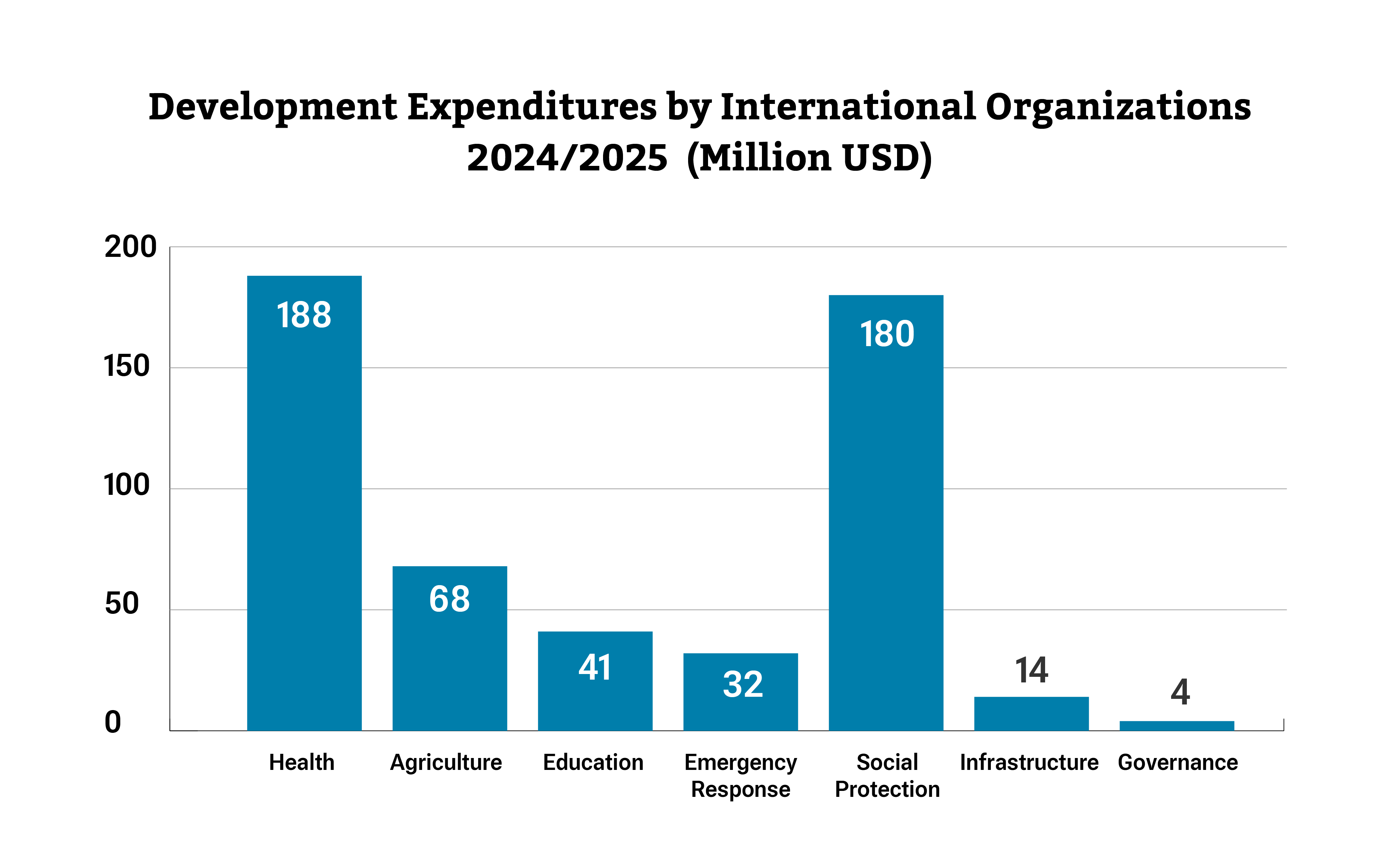
International organisations have largely filled the gap left by the Taliban’s withdrawal from key sectors, particularly health and social protection. Despite serious challenges, including the risk of aid misuse, humanitarian agencies have prevented total economic and social collapse, particularly the breakdown of the health system and social safety nets.
Another notable point is the relatively balanced geographic distribution of development funding by these organisations. Unlike the Taliban’s heavy concentration of spending in Kabul, international organisations have implemented projects across all provinces, resulting in a more equitable distribution of resources.

The “Imaginary Sixty Billion”

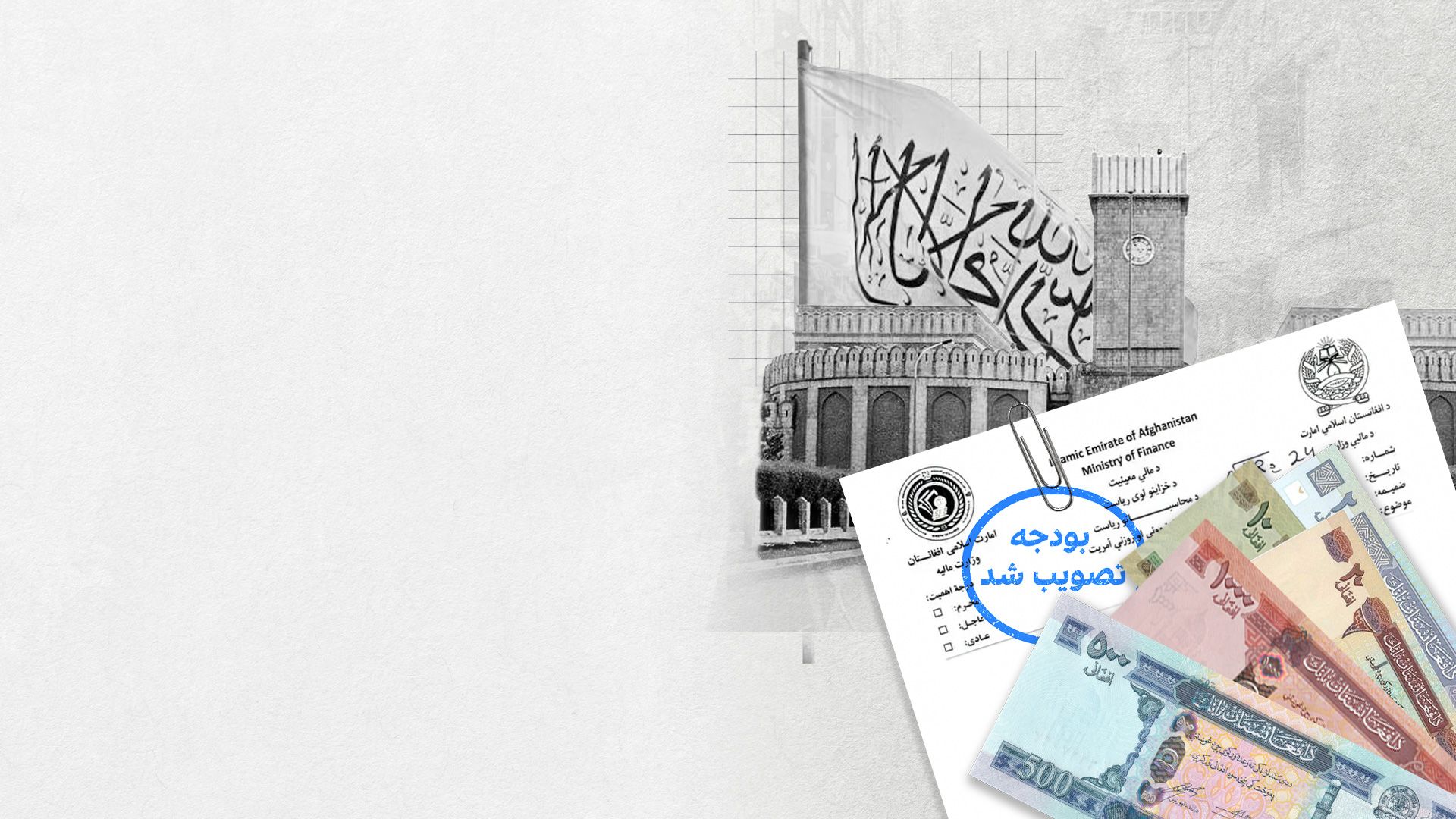
According to the Taliban deputy prime minister for economic affairs, 252 projects worth 74 billion afghanis were approved in 2024. In addition, the Taliban’s deputy spokesperson announced that the group’s Economic Procurement Commission approved development projects worth 130 billion afghanis in 2025. Since nine months of 2024 and three months of 2025 fall within fiscal year 1403, the total announced project value for this fiscal year exceeds 87 billion afghanis.
This figure is more than three-and-a-half times the actual development budget for the same fiscal year, which stands at 24 billion afghanis. The gap between approved projects and real budget allocations therefore amounts to 63 billion afghanis. Given this discrepancy, it can be concluded that hundreds of development projects worth at least 60 billion afghanis were effectively imaginary and lacked real financial backing. Many of these projects were primarily announced to present a positive image of Taliban economic performance and have been repeatedly carried over from one year to another without ever being implemented.
Conclusion
Overall, budgetary evidence shows that the Taliban’s development budget structure is not development-oriented but instead reflects the systematic misuse of public resources. The vast gap between actual development funding and announced projects, opaque allocations to non-developmental and security institutions, extreme concentration of resources in Kabul, and the sharp rise in propaganda spending all demonstrate that the development budget has become a tool for consolidating power, rent-based redistribution and manufacturing symbolic legitimacy.
Within this framework, so-called development projects neither address citizens’ livelihood needs nor possess real financial backing. Instead, they form part of a broader pattern of financial abuse whose direct consequences include sustained poverty, deepening inequality and increasing dependence on foreign aid.


 Built with Shorthand